Timeline of the 2026 Strait of Hormuz Crisis
From the airstrikes of late February to a fragile June ceasefire — how the world's busiest oil artery seized up, week by week.
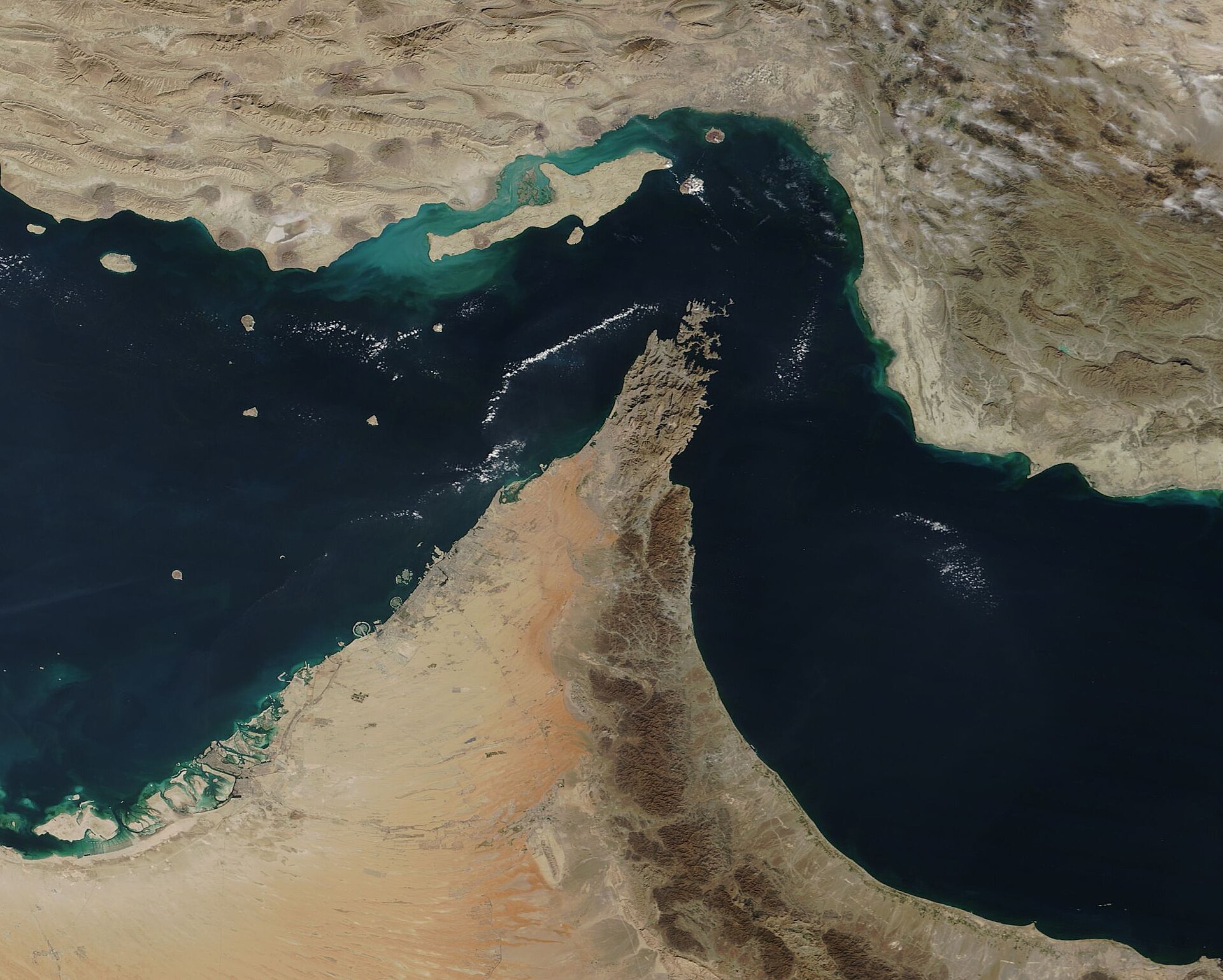
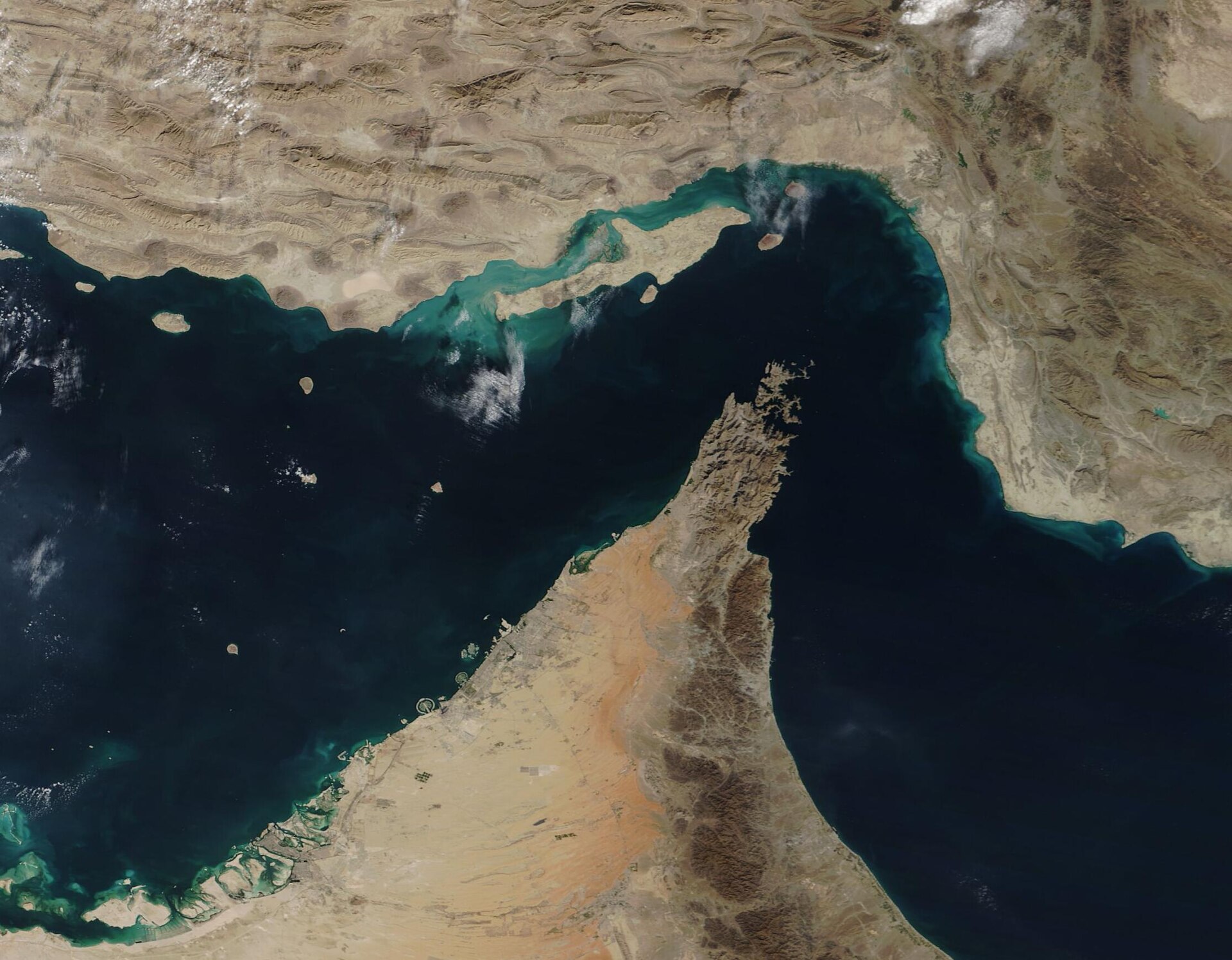
On 28 February 2026, a coordinated US–Israeli air campaign against Iran set off the most severe disruption to global energy supply since the 1970s. Within days, the Strait of Hormuz — the conduit for roughly a quarter of the world's seaborne oil — had become a no-go zone. This is how it unfolded.
The trigger
The strikes, reported under the name Operation Epic Fury, hit military, nuclear and leadership targets and killed Iran's Supreme Leader. Tehran answered with missile and drone barrages against Israeli cities and US bases across the Gulf — and turned to its most powerful economic lever: the strait itself.
Closure and the first casualties
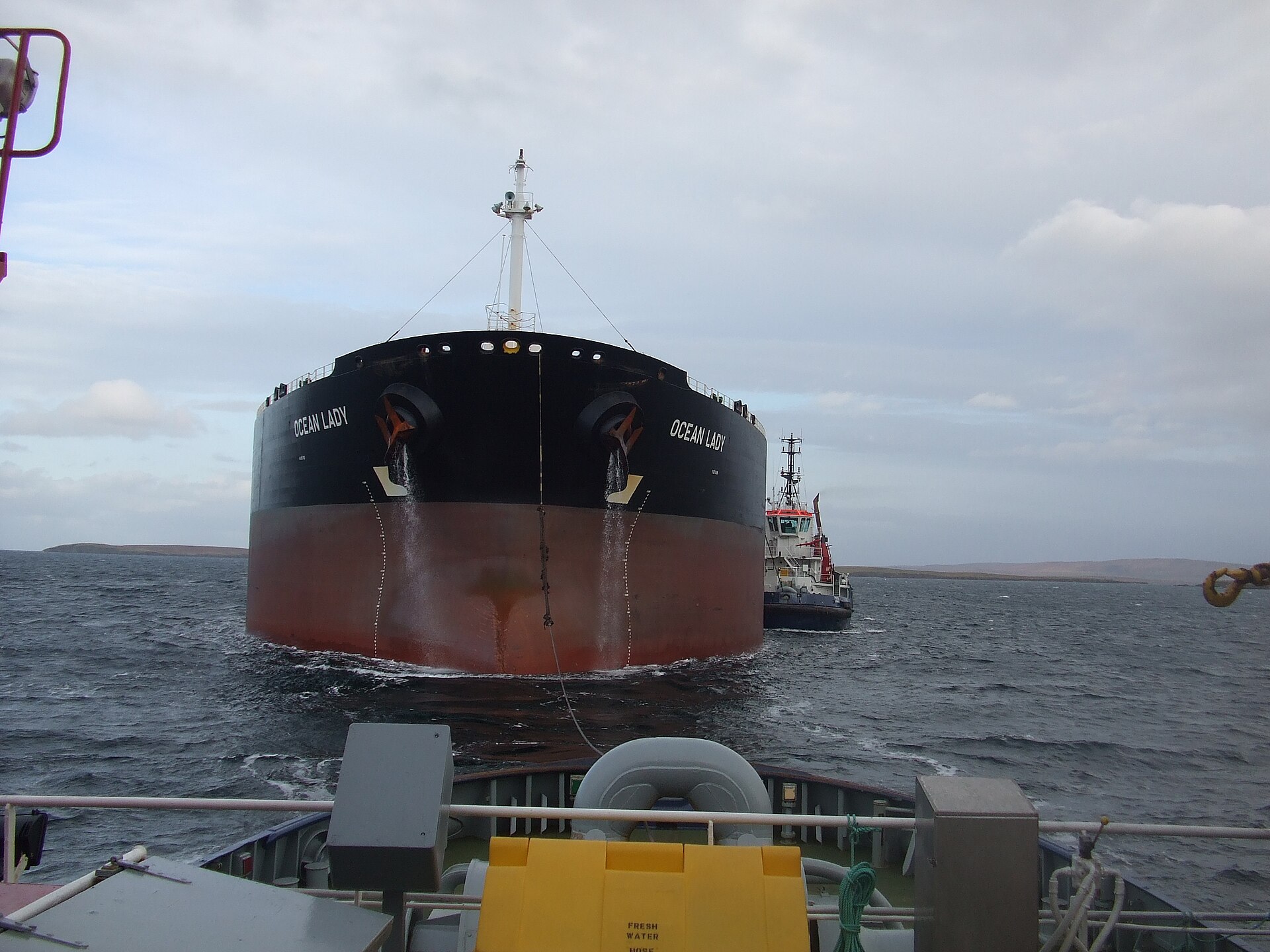
By 1–2 March, the first tankers were being struck. The Skylight and the MKD Vyom were hit, killing Indian crew members; at least eight vessels were damaged in the opening week. On 4 March the Islamic Revolutionary Guard Corps (IRGC) declared the strait "closed" and threatened any passing ship. Tanker traffic fell roughly 70% almost overnight, and more than 150 ships dropped anchor outside the strait.
On 6 March, the tugboat Mussafah 2 was struck and sank — the first vessel lost in the crisis. Intelligence reports of Iranian mine-laying followed; the US said it had destroyed 16 minelayers.
The price shock
Markets reacted violently. Brent jumped 10–13% on 1 March, broke $100 on 8 March for the first time in four years, and peaked near $126. On 11 March, 32 members of the International Energy Agency unanimously released 400 million barrels from emergency reserves — an extraordinary, coordinated intervention.
The largest disruption to world energy supply since the 1970s — and, by some measures, the largest in the history of the global oil market.
Production buckles
Producers scrambled. Iraq shut the Rumaila field; QatarEnergy halted gas output and declared force majeure, soon joined by Kuwait and Bahrain. Southern Iraqi production fell about 70%, and Saudi Arabia cut output by a fifth, from 10 to 8 million barrels a day. Regional exports roughly halved.
A controlled trickle
Rather than a total seal, Iran imposed a controlled regime. From late March it named five nations permitted to transit — China, Russia, India, Iraq and Pakistan — with others handled case by case. During controlled-traffic phases, reported tolls exceeded $1 million per ship. The US Navy, meanwhile, blockaded Iranian ports and in May launched Operation Project Freedom to escort merchant ships out of the Gulf.
Where things stand
By mid-June the strait remained open only under severe constraint. AIS-visible crossings have run in the low single digits per day; a near-standstill on 11 June gave way to a handful of transits since. On 14 June, around 106 IRGC fast-attack craft surged from the Khasab South staging area in under 150 minutes. As talks toward a US–Iran agreement advanced, tankers began staging for a possible transit window — pending a signed deal and the clearing of mines.
Follow the day-to-day picture on our live status tracker, or explore the underlying figures in statistics.