The Largest Energy Shock Since the 1970s
A single closed strait sent crude past $126, forced the biggest coordinated reserve release in history, and rippled through everything from fertiliser to gas bills.
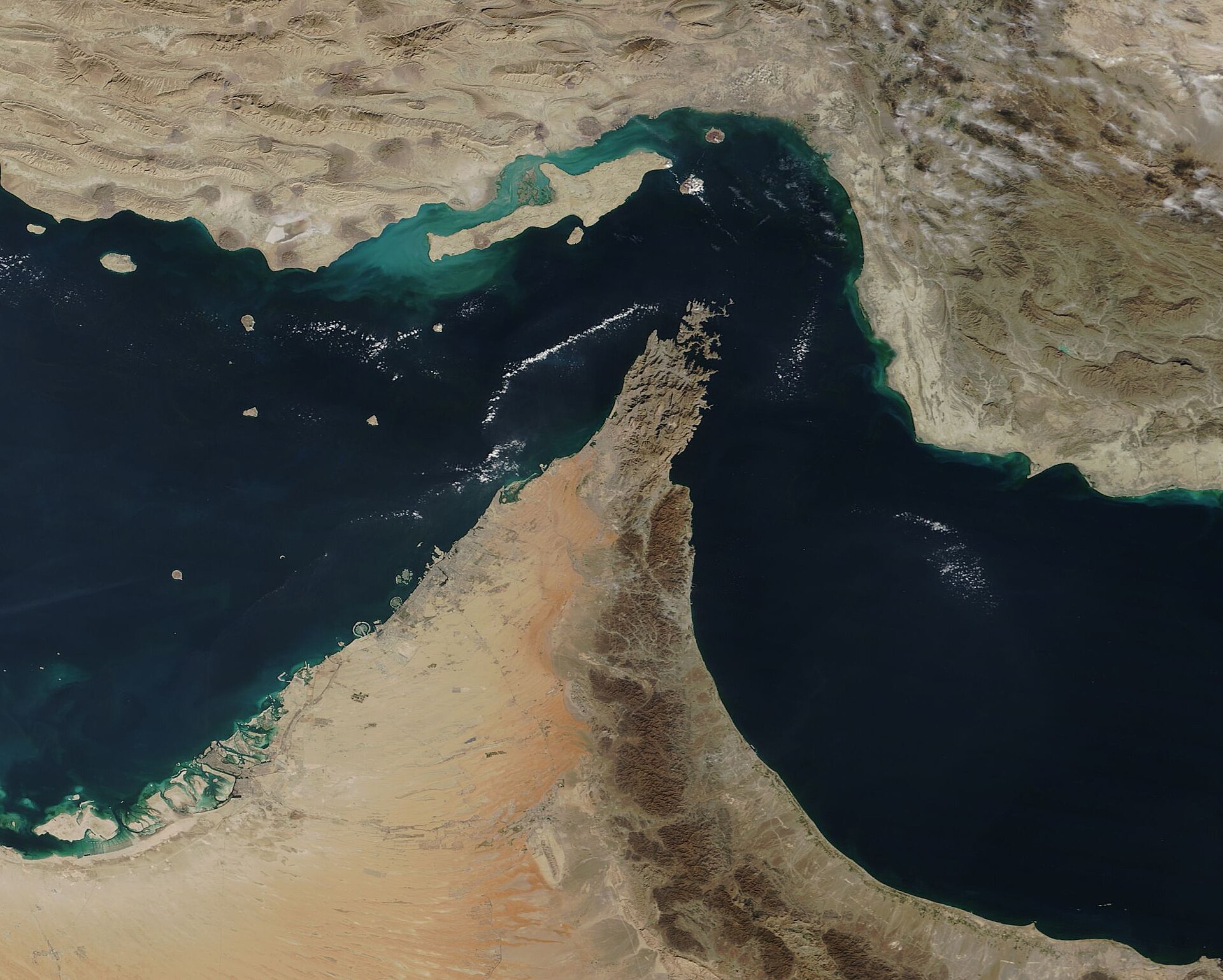
When roughly a fifth of the world's oil and gas stops moving, the shock does not stay at sea. The closure of the Strait of Hormuz in early 2026 became, in the words of several analysts, the largest disruption to world energy supply since the 1970s oil crises — and arguably the largest in the history of the modern oil market.
The spike
Brent crude jumped 10–13% the day after the strait was first contested. It broke $100 a barrel on 8 March — the first time in four years — and peaked near $126. European natural gas roughly doubled, from about €30 to €60 per megawatt-hour at its high. The mechanism was simple: about 14–15 million barrels a day of crude normally transit Hormuz, and there is nowhere near enough alternative capacity to replace it.
The intervention
On 11 March, 32 member countries of the International Energy Agency agreed to release 400 million barrels from strategic reserves — a coordinated move designed to cap the panic. Producers leaned on the limited pipelines that bypass the strait: Saudi Arabia's East–West line to Yanbu on the Red Sea, the UAE's link to Fujairah, and Iraq's Kirkuk–Ceyhan route to the Mediterranean. Combined, those routes can carry roughly 9 million barrels a day — against the 20 million that normally flow through Hormuz.
You cannot pipe your way around Hormuz. The bypass routes cover less than half of normal volumes, and only for crude — not the products and gas that also transit.
Beyond the barrel
The disruption reached well past fuel. Up to 30% of internationally traded fertilisers move through the strait, threatening the next planting season in importing countries. Container lines including Maersk, CMA CGM and Hapag-Lloyd suspended transits; cruise operators evacuated thousands of stranded passengers. At the peak, the International Maritime Organization counted some 20,000 mariners and 2,000 ships caught inside the Gulf.
An uneasy easing
By June, prices had come off their highs — Brent hovering around $118 — as a US–Iran deal appeared to take shape and markets bet on a reopening. But the relief is conditional. Until the strait is demined and transit is reliably safe, every easing remains one incident away from reversing.
See the price path and flow data behind this story in our interactive charts.