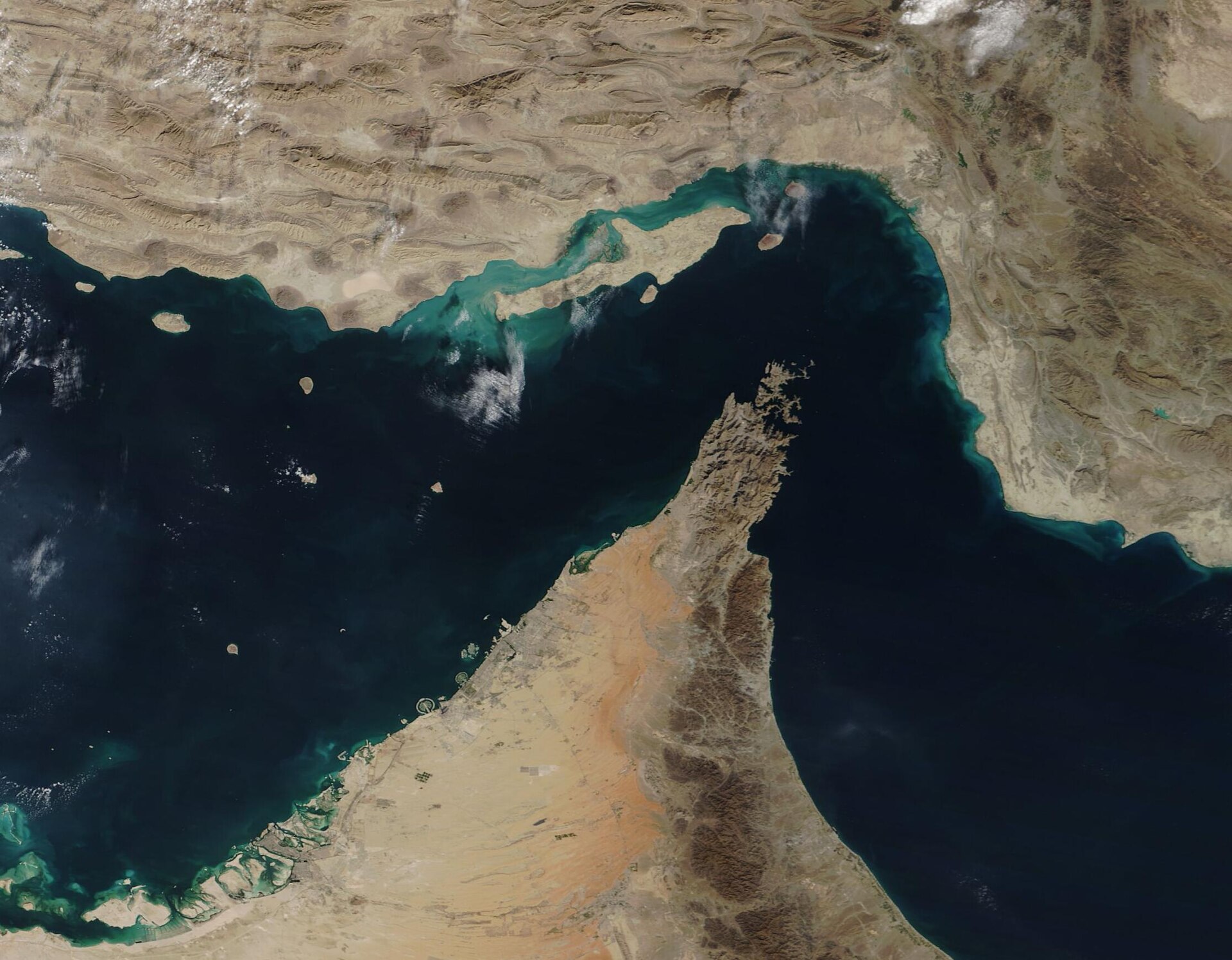
The chokepoint that is squeezing the world's oil
A quarter of the planet's seaborne crude passes through a channel just 33 km wide. Since February 2026, traffic through the Strait of Hormuz has all but collapsed. We track what's still moving — and what isn't.
The numbers behind the blockade
In-depth coverage
Long reads on how a single strait came to hold the global economy hostage.
 Timeline
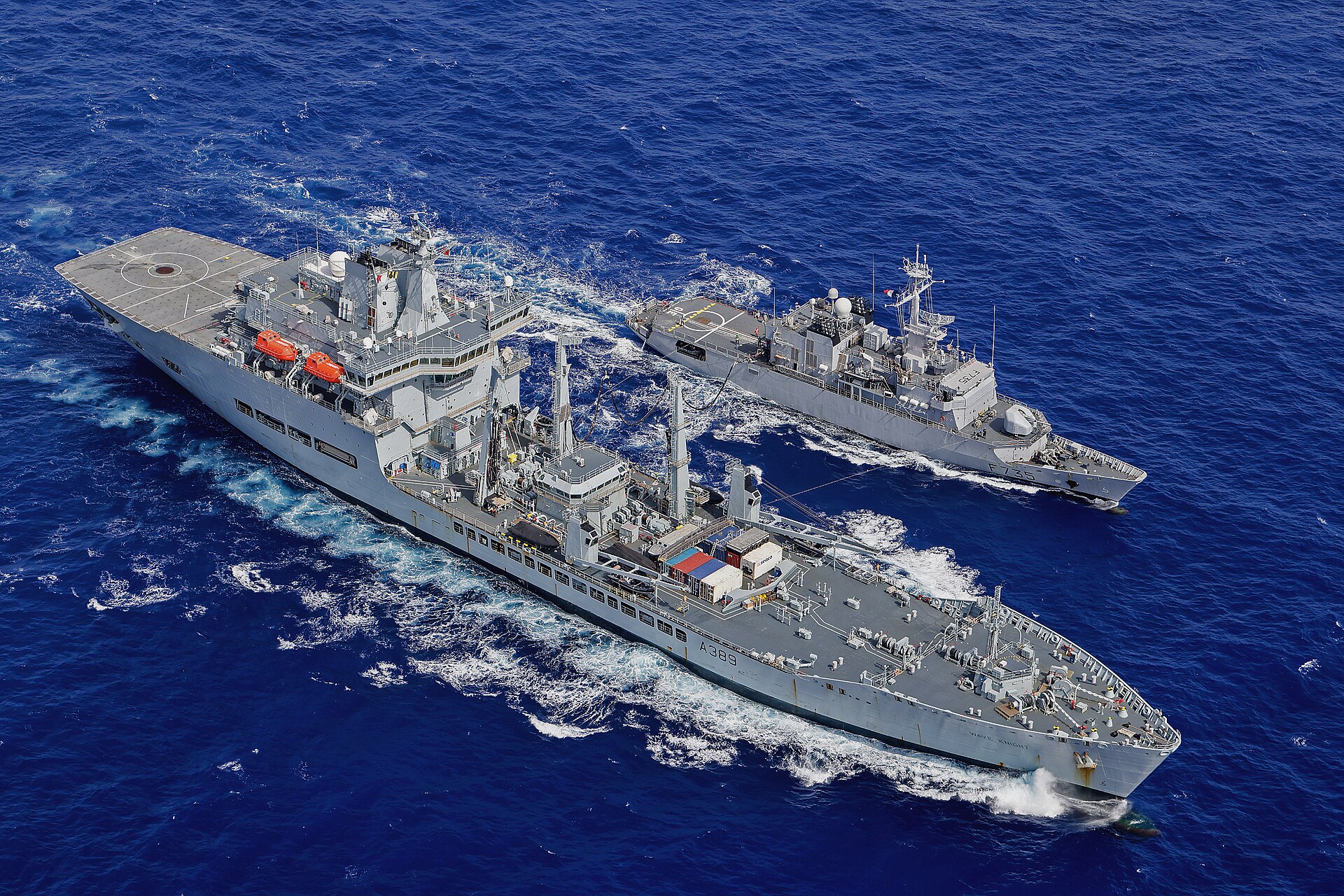
Timeline of the 2026 Strait of Hormuz Crisis
From the 28 February airstrikes to a fragile June ceasefire — a day-by-day account.
 Economy
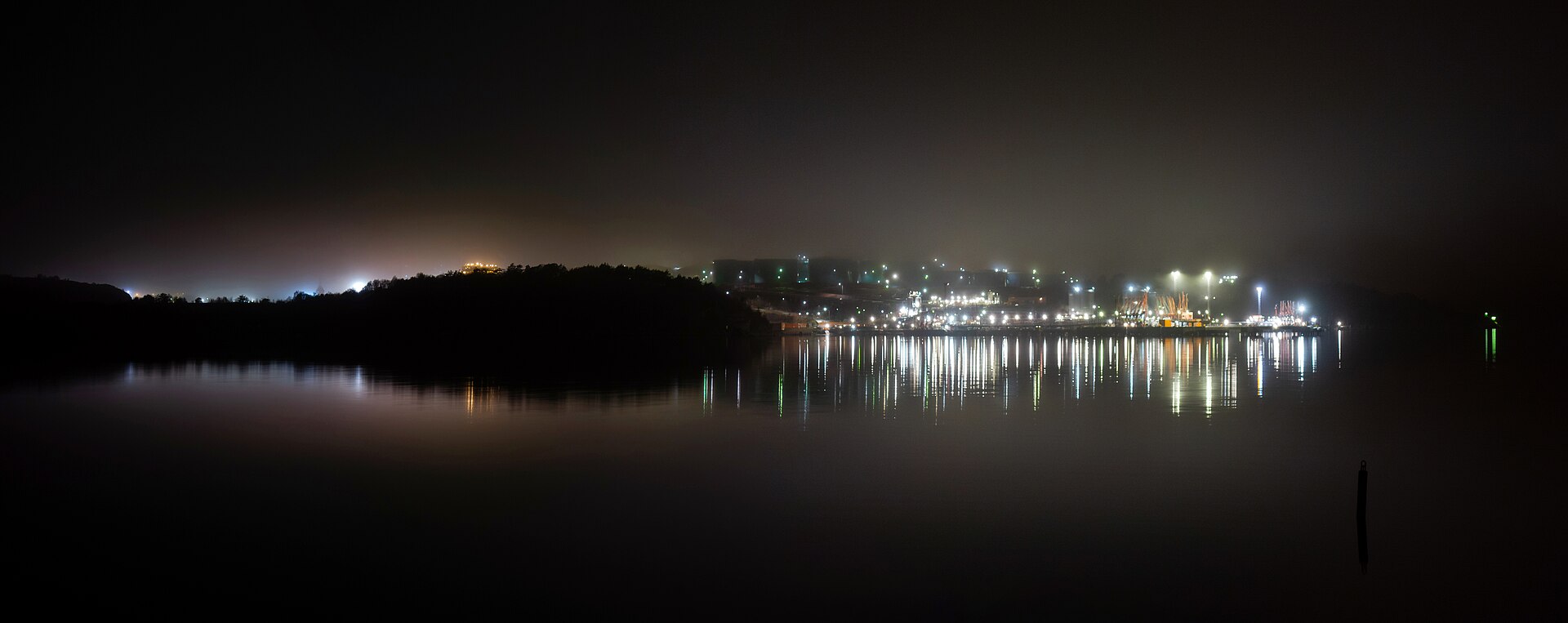
The Largest Energy Shock Since the 1970s
How the blockade pushed Brent past $126 and rattled supply chains worldwide.
 Investigation
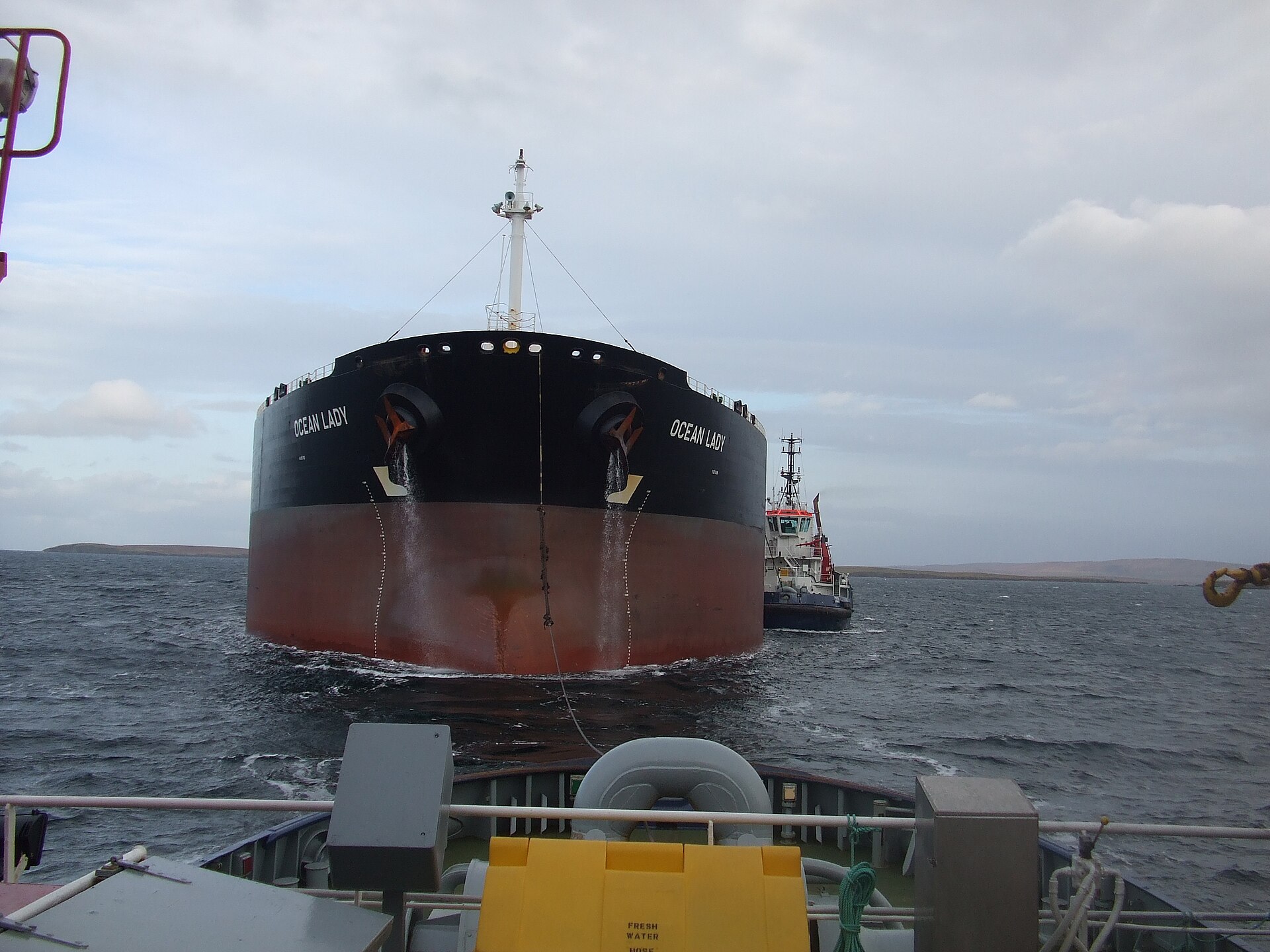
Dark Transits: The Shadow Fleet Keeping Oil Moving
AIS spoofing, dark voyages and the tankers still slipping past a near-closed strait.
 Explainer
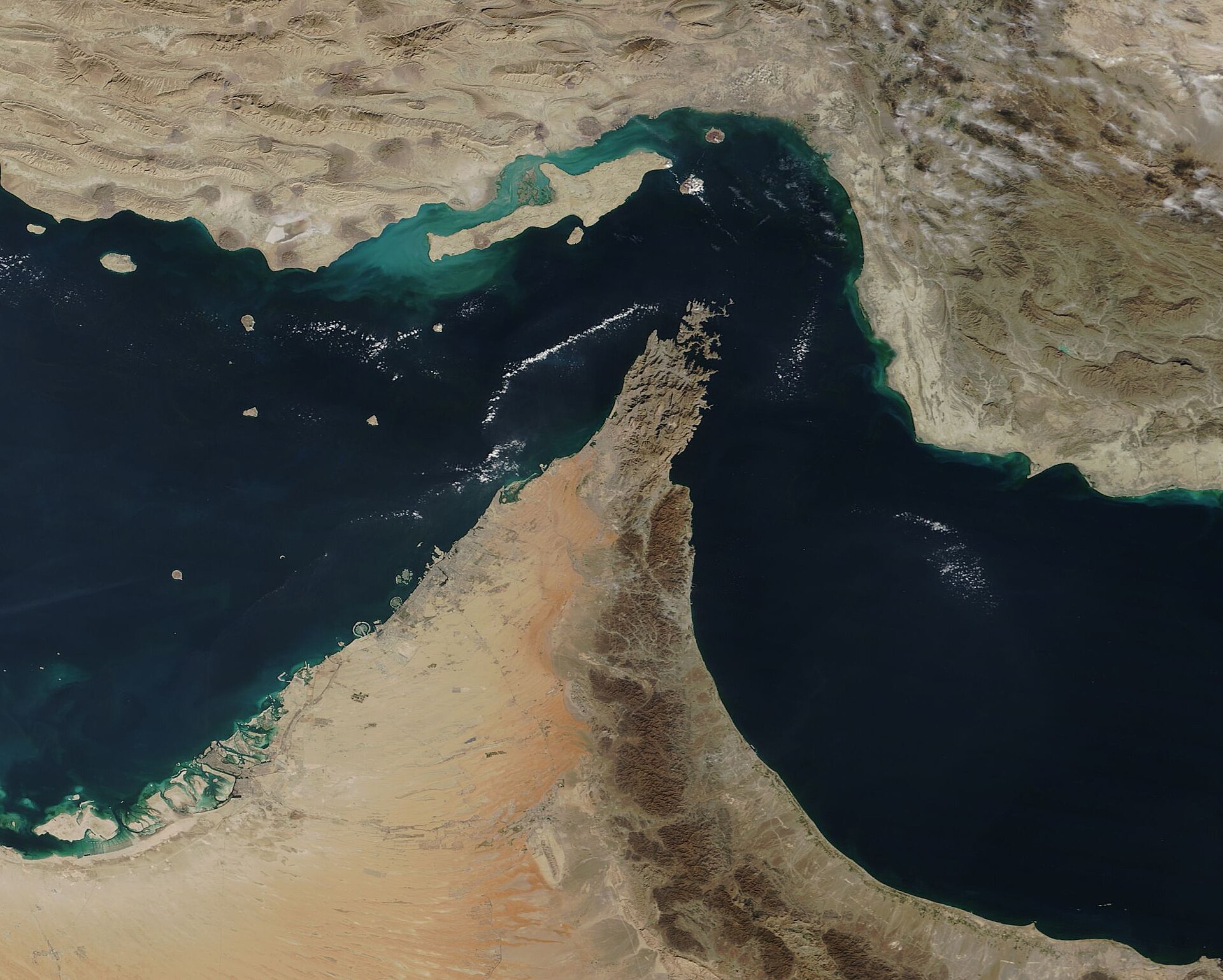
Why Hormuz Matters: Anatomy of a Chokepoint
Just 33 km wide, yet indispensable. The geography that makes Hormuz unique.
Developing now
-
Jun 16 ·
US Navy conducting covert ship-to-ship oil transfers
Reuters reports American forces are quietly moving crude inside the Gulf of Oman as the ceasefire holds.
-
Jun 15
Tankers stage for a Friday transit window
Vessels position outside the strait, betting a US–Iran deal will be signed and the channel demined.
-
Jun 14
~106 IRGC fast-attack craft surge from Khasab South
Forty-two boats moved northeast and sixty-four northwest in under 150 minutes — a show of control.
-
Jun 13
Kharg Island crude berths sit empty
About 23 tankers wait offshore; only a sulphur carrier nears completion of loading.
-
Jun 12
Crossings tick up to seven after a standstill
AIS-visible transits rise from a single crossing the previous day.
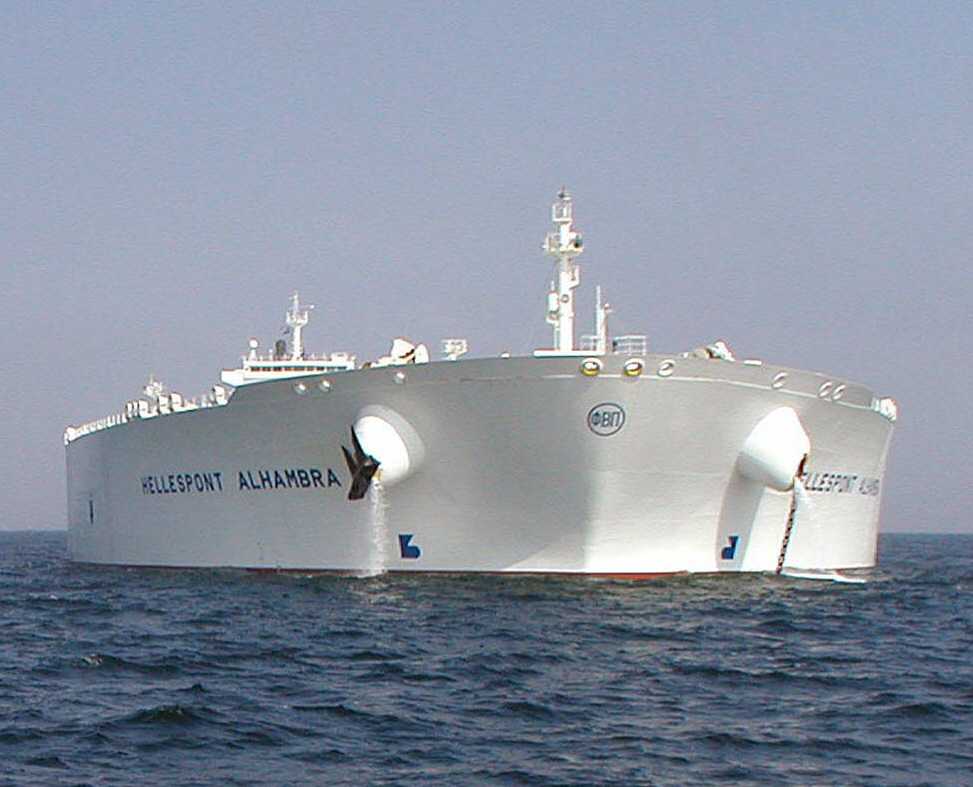
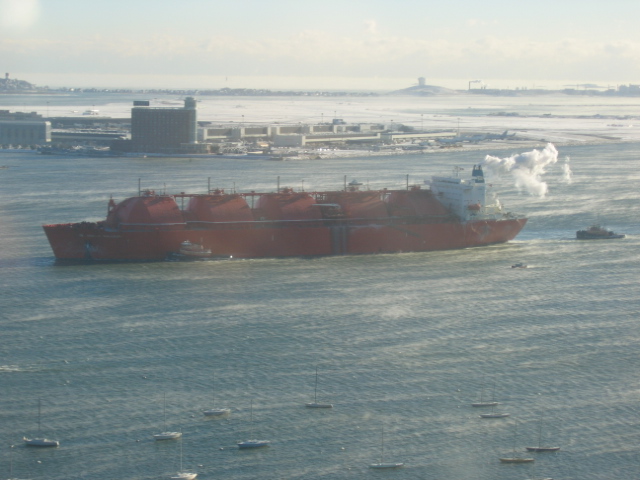
The strait in images
Stay ahead of the next transit window
Get a short brief when the passage status changes or a major development breaks. No spam — this is a demonstration project.